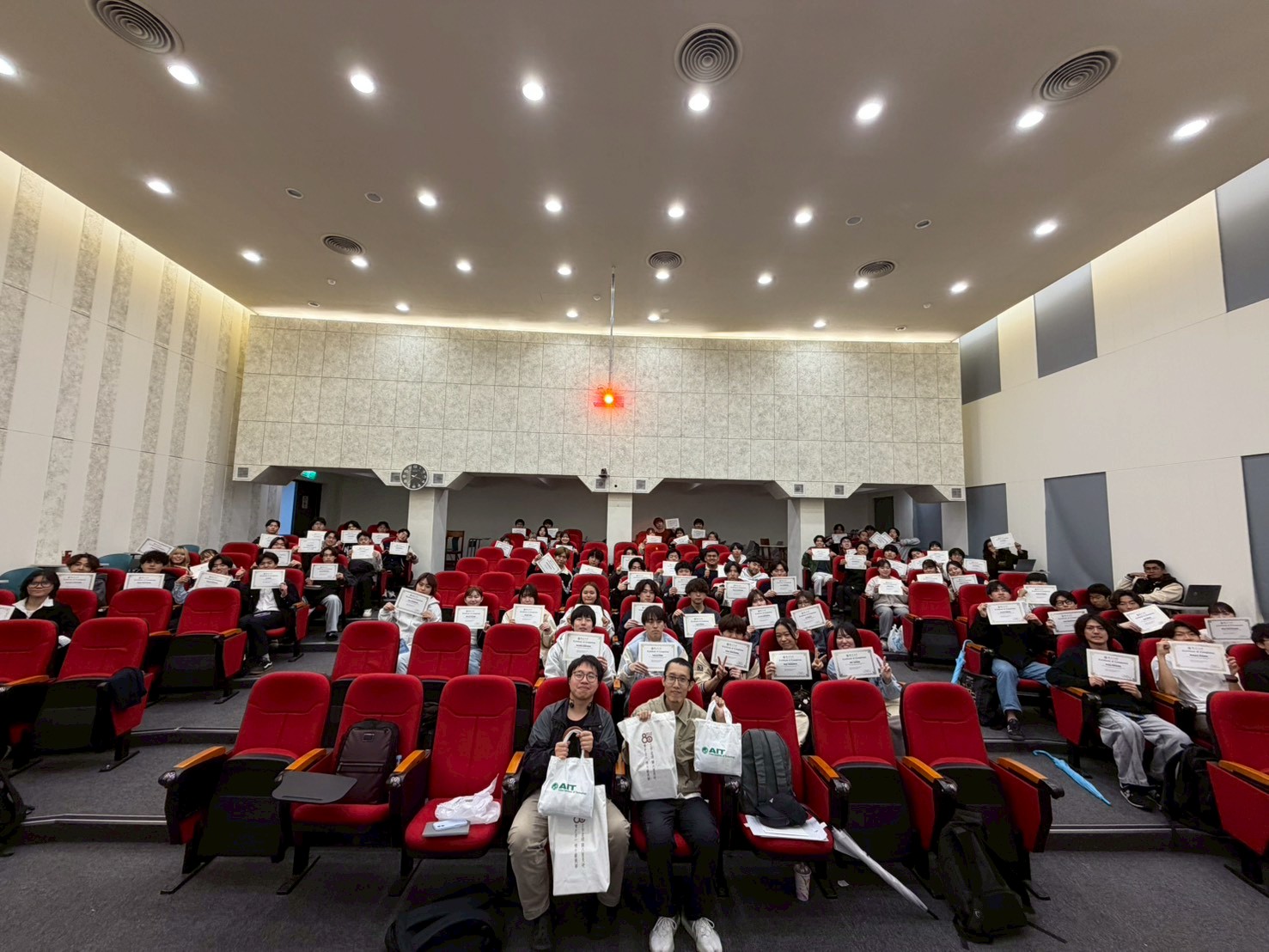
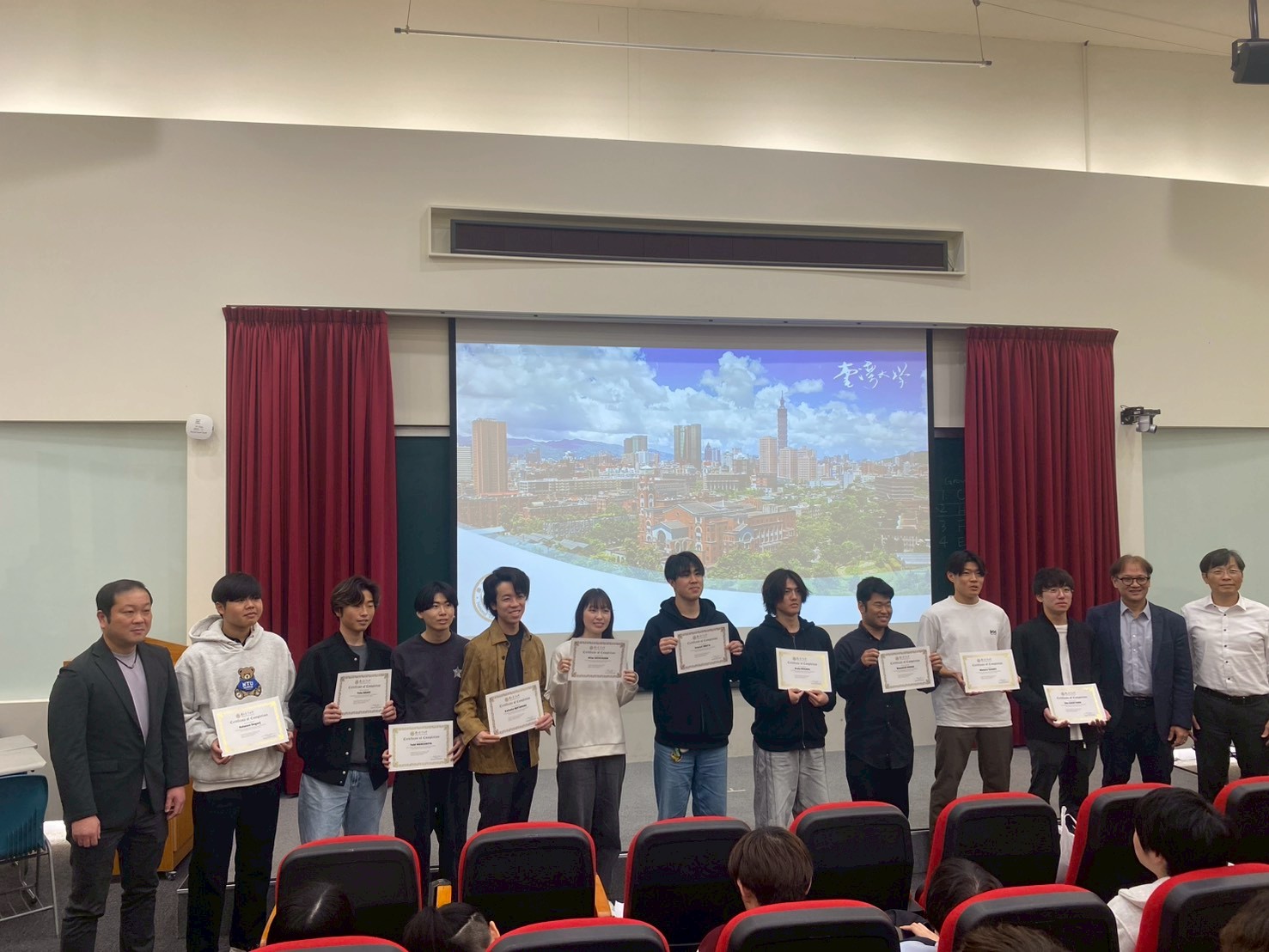
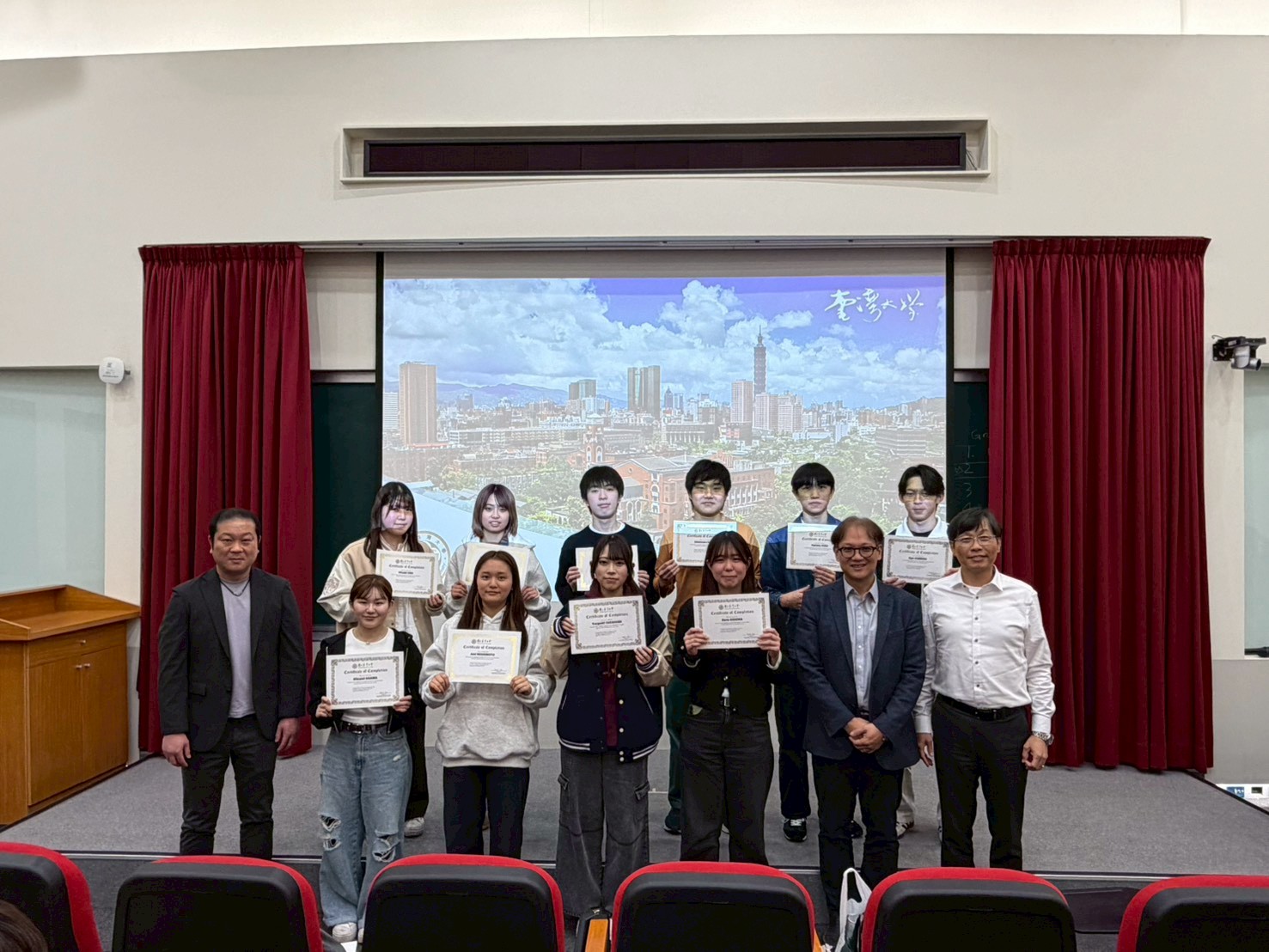
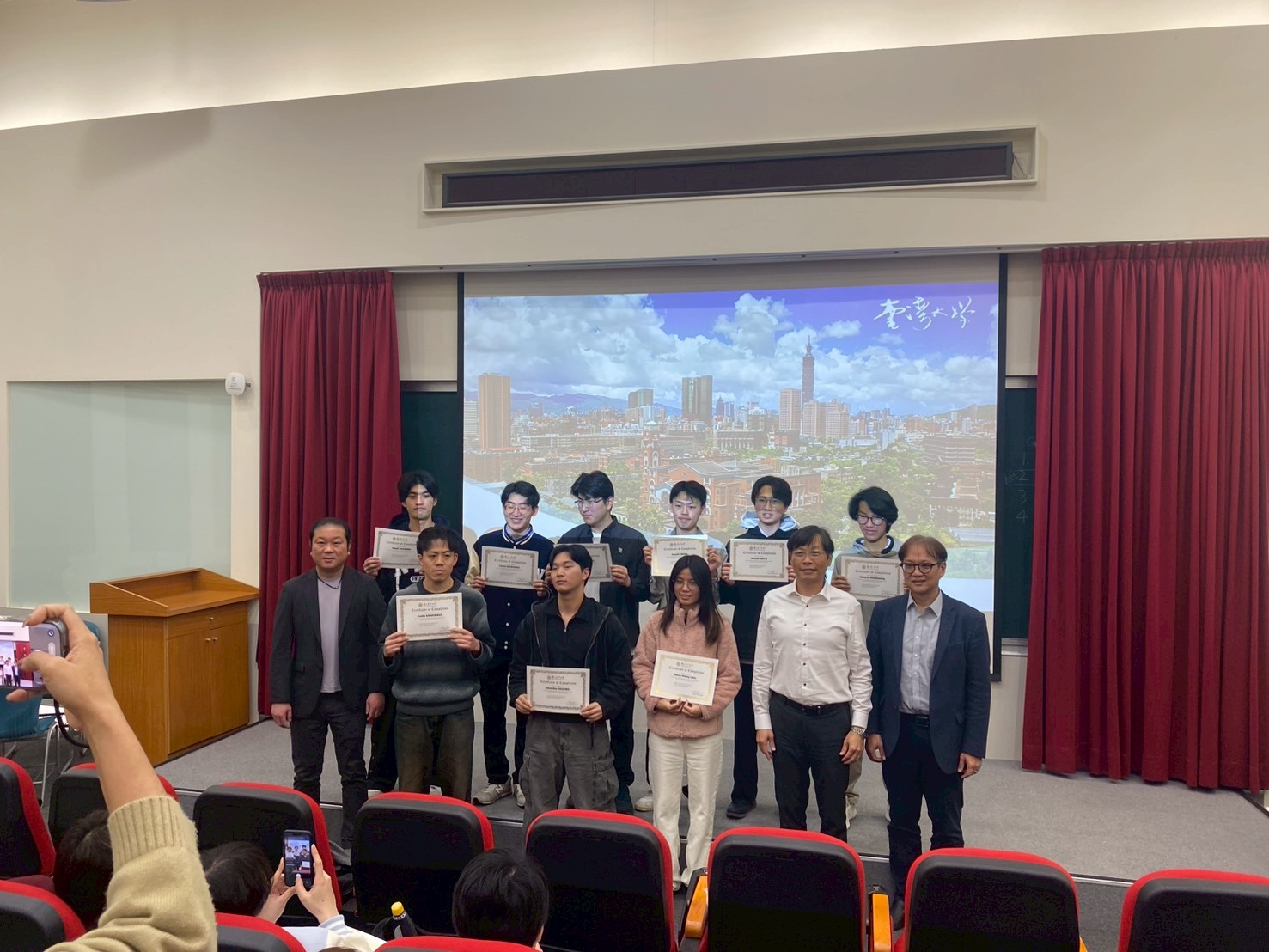
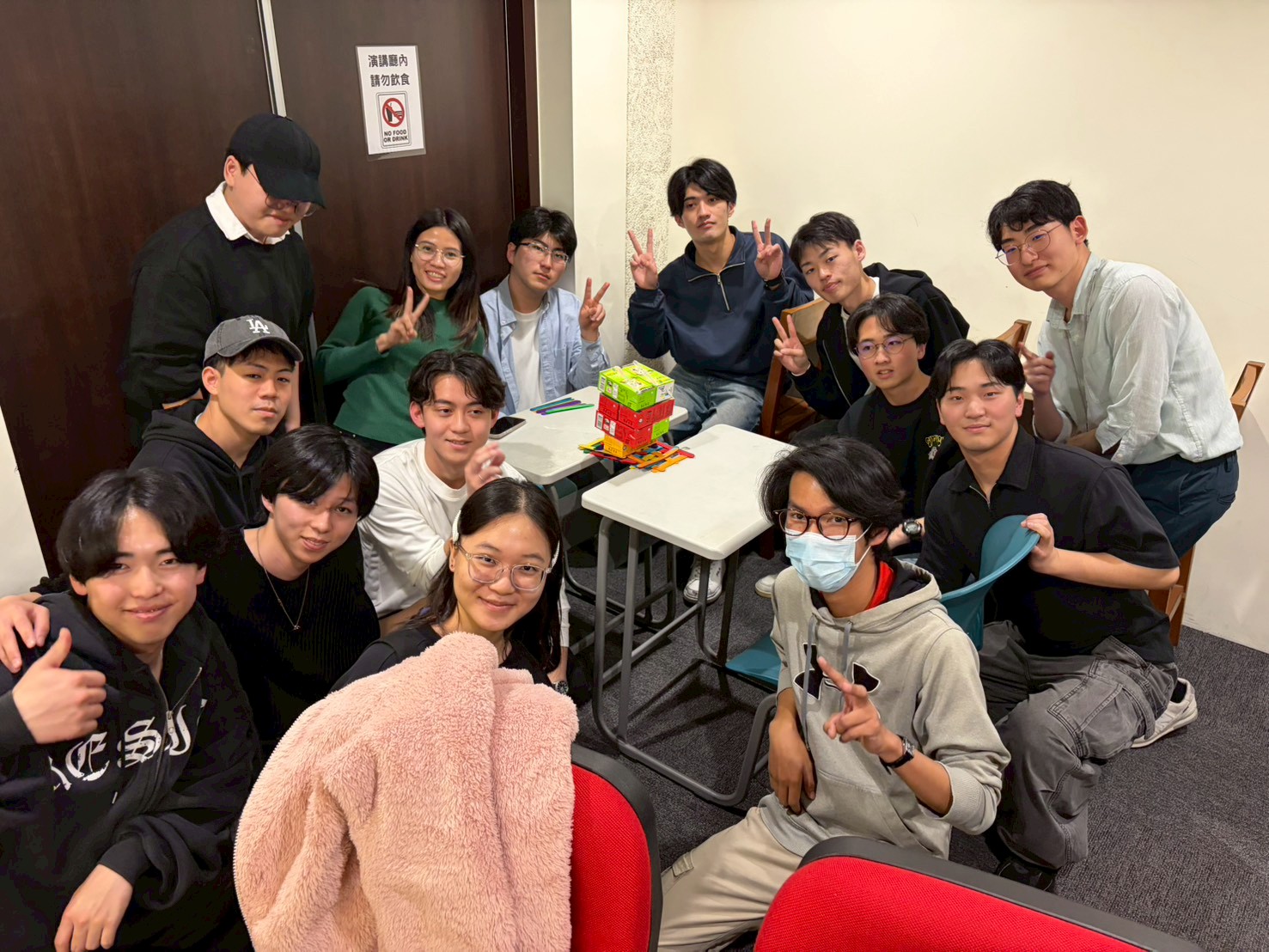
From March 2 to 10, 2026, the Civil Engineering Global Project-Based Learning (PBL) program, “Creating the Future of Disaster Prevention Together with Friends: ‘Waves of Wonder (Waves of Technology and Discovery),'” took place at National Taiwan University in Taiwan. The program was co-hosted by Shibaura Institute of Technology (SIT), National Taiwan University (NTU), and the Asian Institute of Technology (AIT). Eighty-one students from the Department of Civil Engineering and the Civil Engineering Program at SIT participated, forming international teams with students from NTU and AIT. Over the course of nine days, the students collaborated and discussed in English to envision the future of disaster prevention and infrastructure.
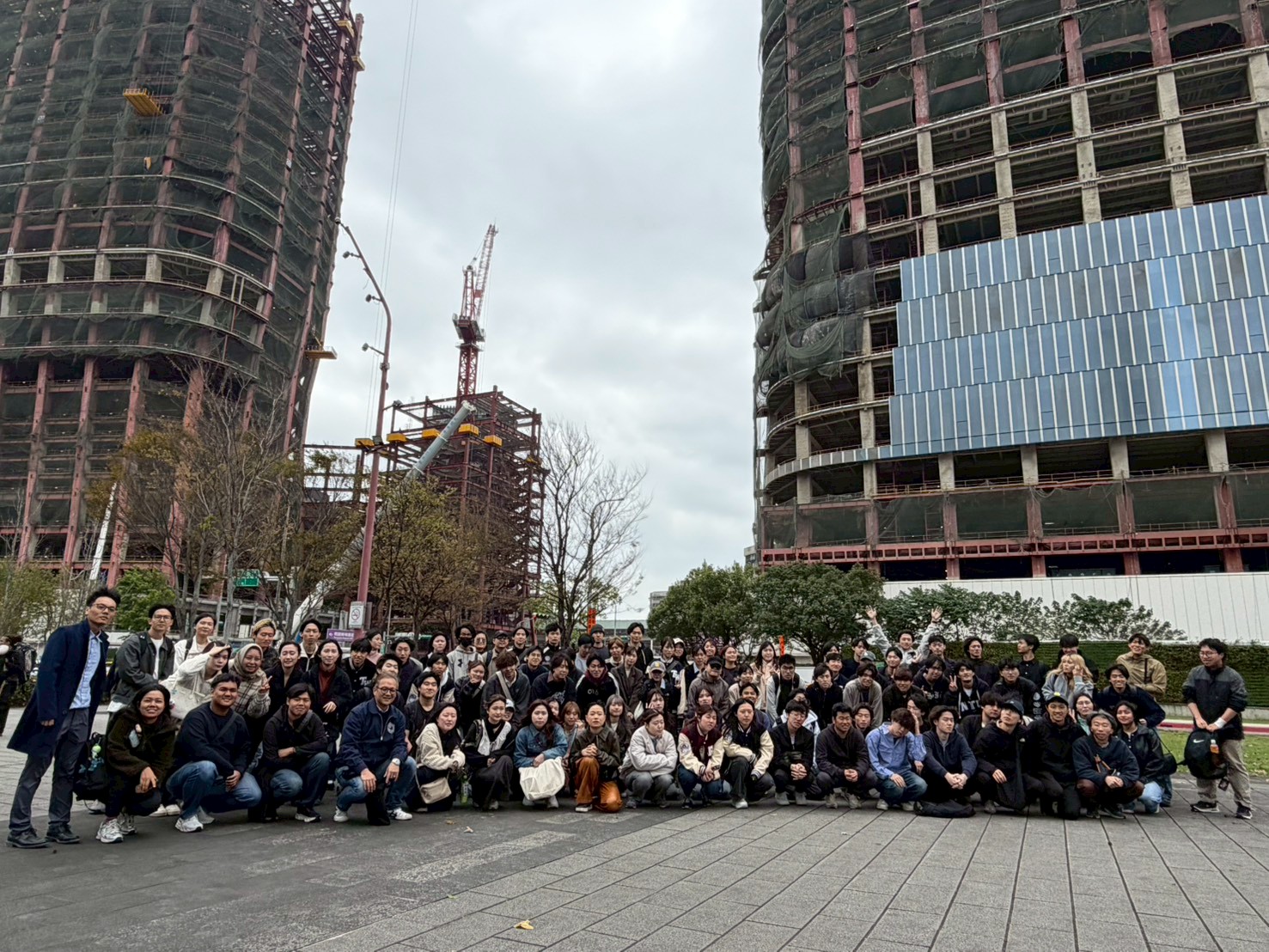
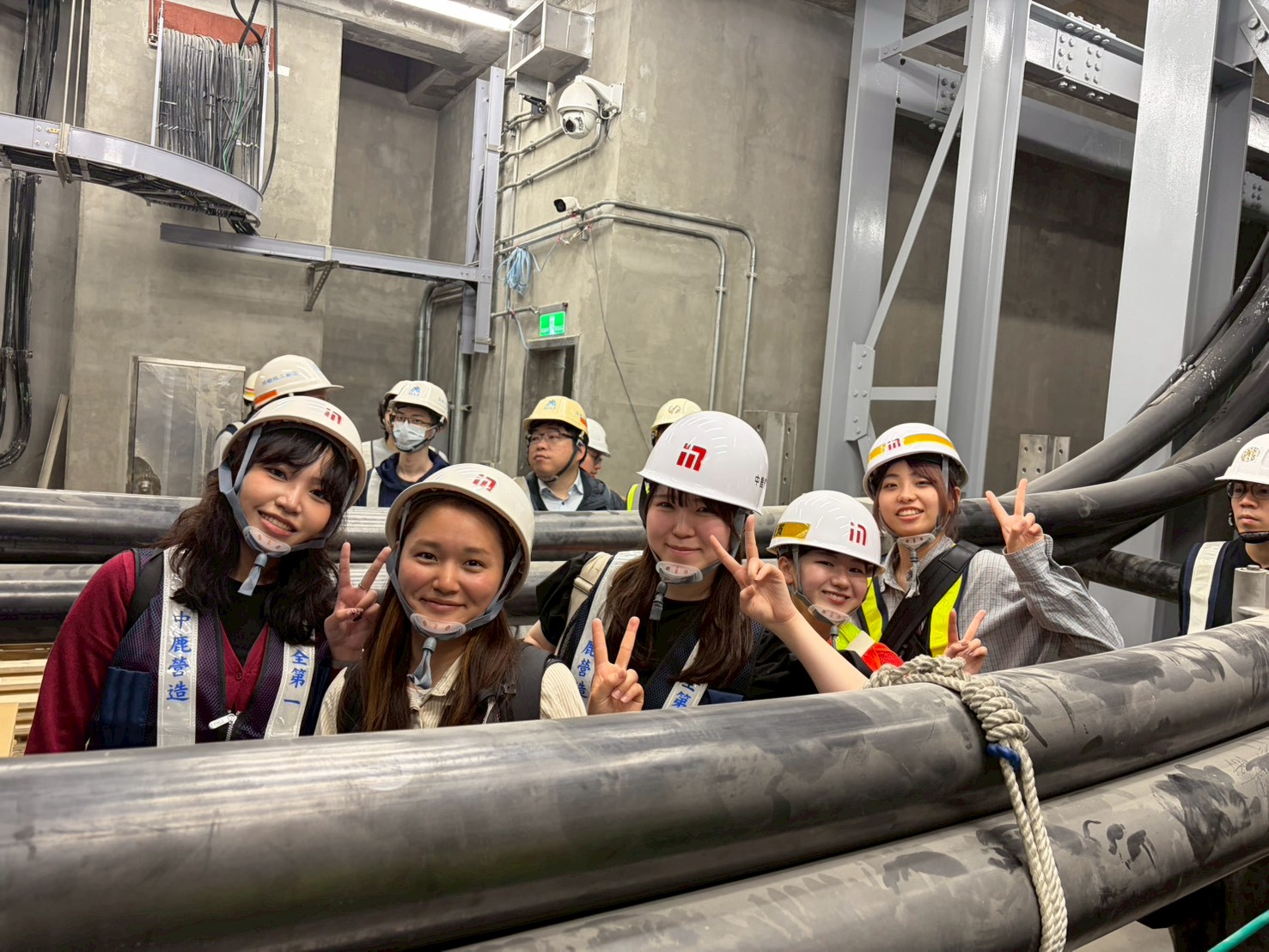
The program included site visits to construction sites supporting urban infrastructure, such as deep excavation works near MRT Zhongyuan Station, a power cable tunnel near Songshan Station, and the Taipei Twins, a super-tall building under construction that is set to become a new Taipei landmark. Seeing large-scale construction sites and cutting-edge technology up close provided an opportunity to experience firsthand how classroom knowledge is applied in society.
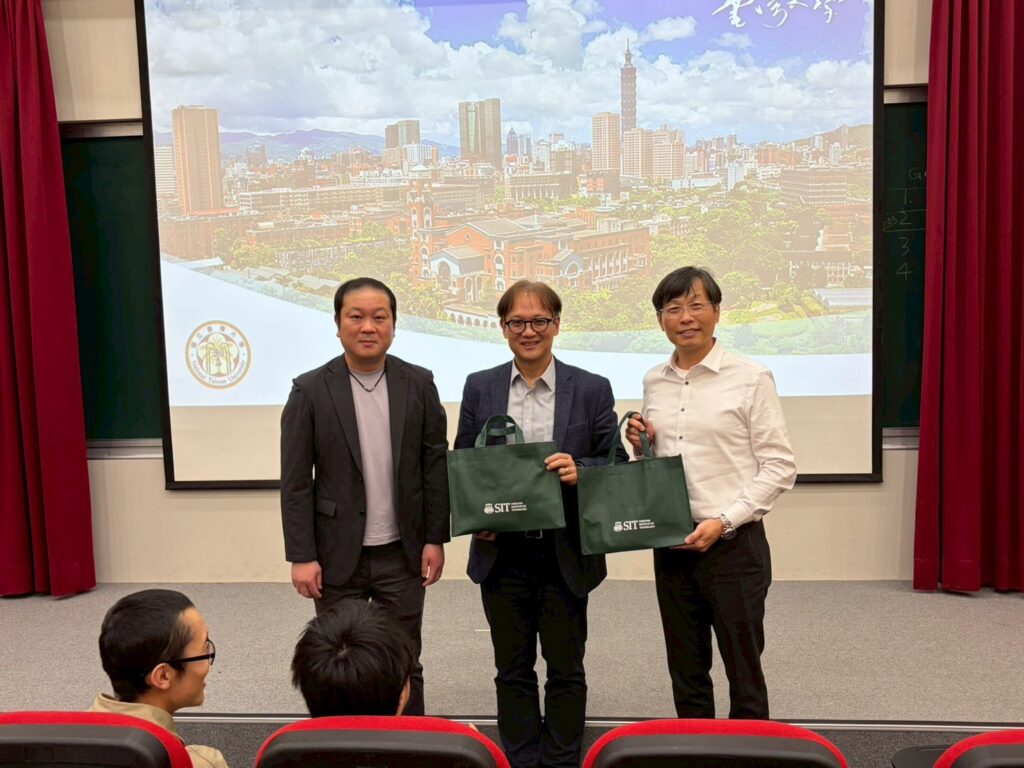
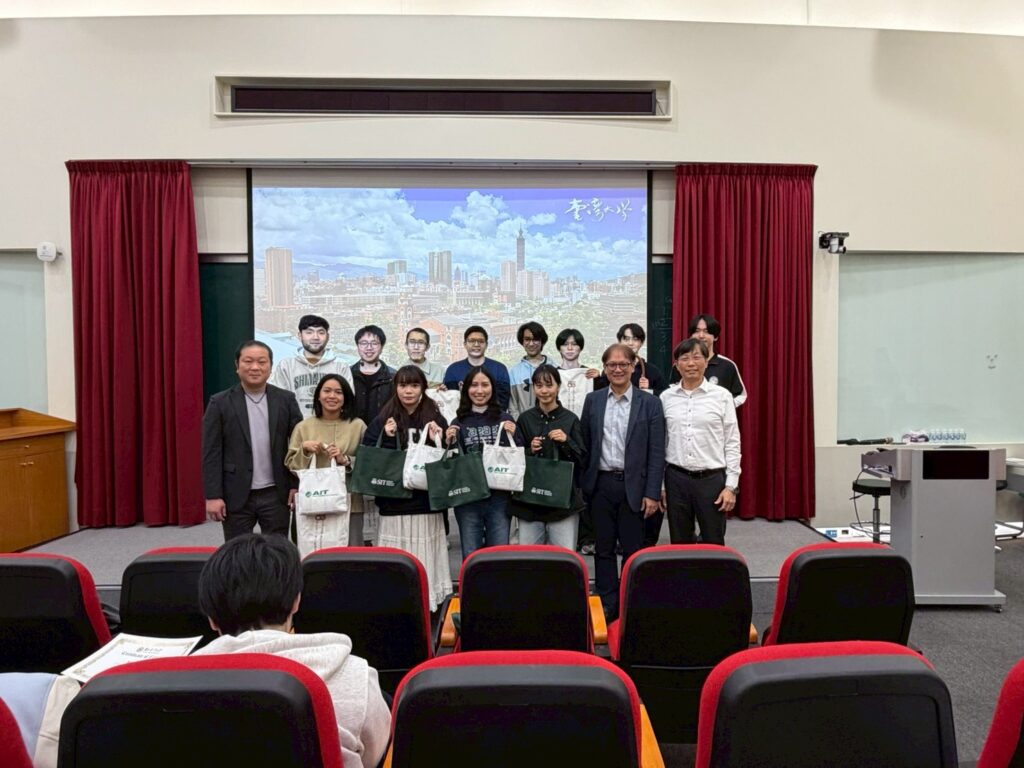
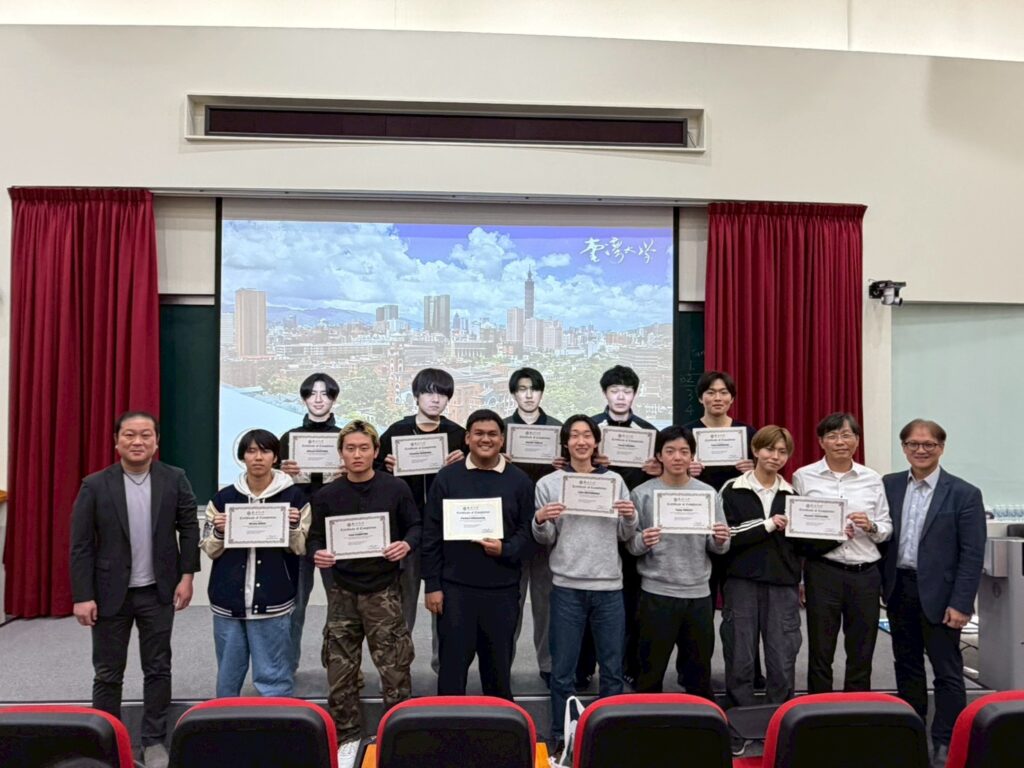
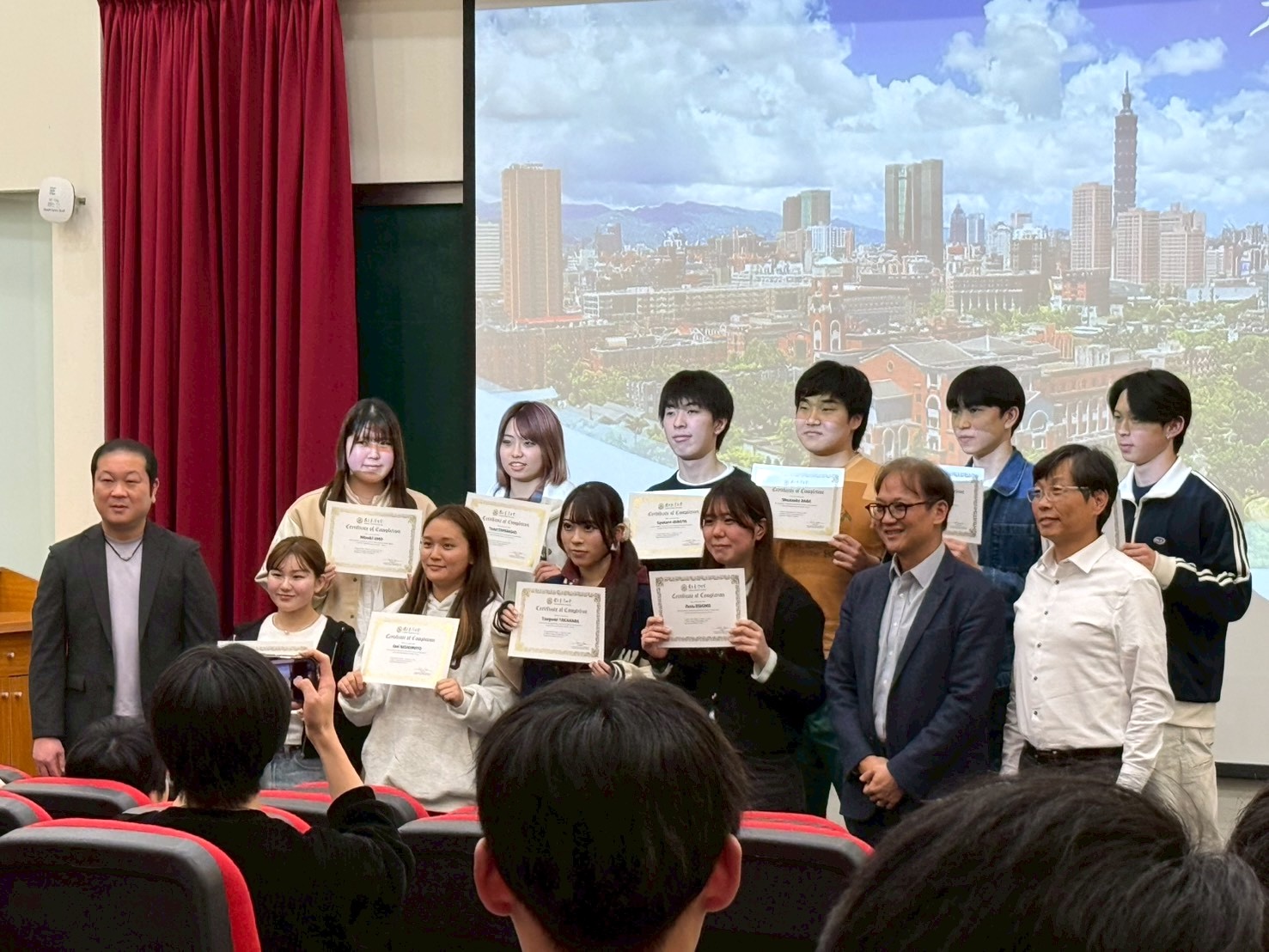
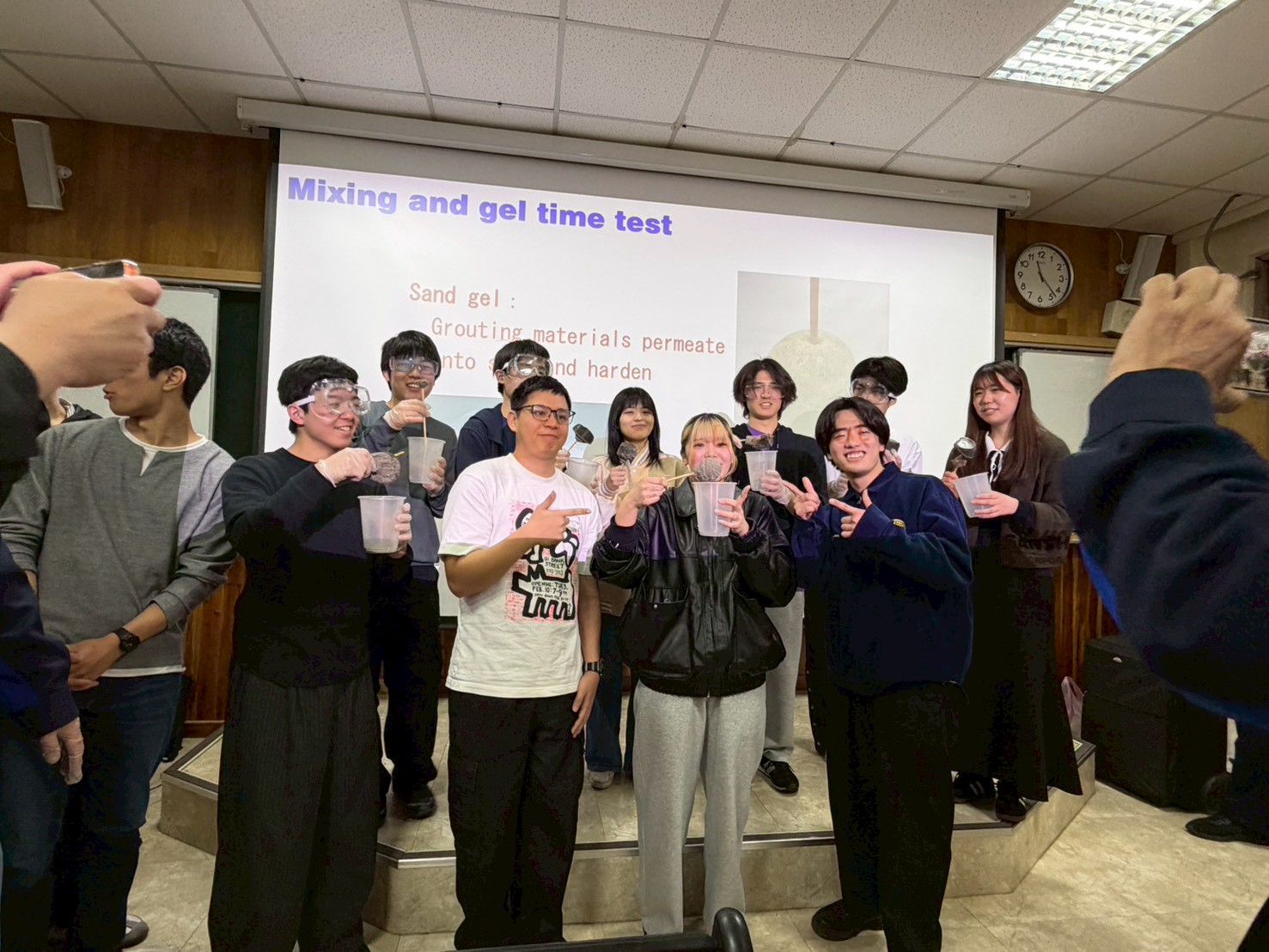
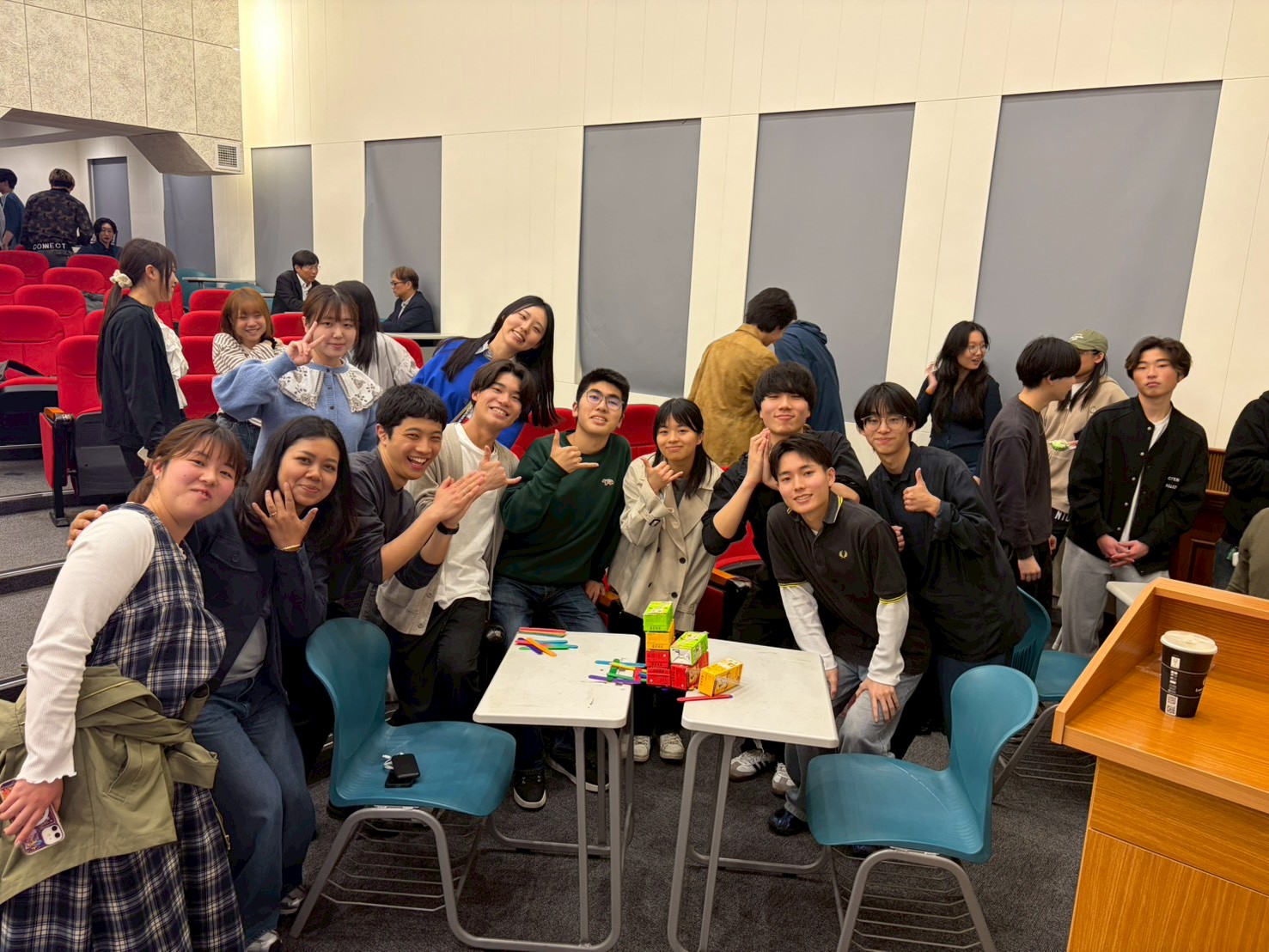
Additionally, research presentations by NTU doctoral students and postdoctoral researchers, along with practical lectures by corporate engineers, exposed the students to the latest initiatives in various fields, including disaster prevention, geotechnical engineering, structural engineering, and hydraulic engineering. Throughout the program, eight group work sessions were conducted where students solved problems through repeated discussions with peers from different disciplines and cultural backgrounds. On the final day, the students delivered presentations in English to showcase their achievements to faculty and practitioners from Japan, Taiwan, and Thailand.
These ten days of discussion transcended cultural and value differences and provided a significant learning opportunity for the students. Contemplating challenges common to Japan, Taiwan, and Thailand, regions prone to natural disasters, deepened their understanding of specialized knowledge and helped them gain valuable experience developing international communication and collaboration skills.